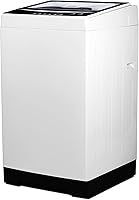
How Much Does a Portable Washing Machine Cost?
A portable washing machine usually costs about 150 dollars to 450 dollars. Twin tub models sit at the low end, while fully automatic washers with a spin cycle and drain pump land in the middle and upper range.
On this page (9 sections)
- How much does a portable washing machine cost by type?
- What does a budget portable washer include?
- What do you get when you move up to a fully automatic washer?
- What pushes the price of a portable washer up?
- How much does a portable washing machine cost to run?
- How does the cost compare with a laundromat?
- Which portable washer fits which budget?
- How do you keep costs down after you buy?
- What's the bottom line on portable washer costs?
A portable washing machine usually costs about 150 dollars to 450 dollars. Twin tub models sit at the low end, while fully automatic washers with a spin cycle and drain pump land in the middle and upper range.
The exact figure depends on how much automation you want, the drum size, and whether the unit spins clothes dry. This guide breaks down the price tiers so you can budget before you shop.
How much does a portable washing machine cost by type?
Twin tub washers cost the least, and fully automatic units cost the most. Semi-automatic models fall in between, priced by capacity and features.
A twin tub has two separate tubs: one for washing and one for spinning. You fill it from a faucet, move wet clothes into the spinner by hand, and drain it yourself.
The simple build keeps the price down.
A fully automatic washer handles the whole cycle on its own. It fills, washes, rinses, and spins without you moving the load, and many include a built-in drain pump.
That convenience is what pushes the price into the middle and upper tiers.
Capacity also moves the number. A small 11 lb unit costs less than a 25 lb or 28 lb machine, simply because there is less drum and motor to build.
What does a budget portable washer include?
Budget units are twin tub or semi-automatic machines that do the core job without extras. They wash and spin clothes, but you supply the water and manage the drain.
Many of these models skip the drain pump. You position the drain hose over a sink, tub, or bucket and let gravity do the work, which means the drain point has to sit lower than the machine.
Timed controls replace programmed cycles. You set a wash timer and a spin timer rather than picking a fabric mode, so you learn by feel how long each load needs.
See our rundown of what is the best portable washing machine for options that fit different budgets.
What do you get when you move up to a fully automatic washer?
You load clothes, choose a setting, and come back when the cycle ends.
A drain pump is the feature that most clearly separates tiers. It pushes water out even when the drain point is higher than the machine, so you don't need a low sink or a bucket on the floor.
Programmed cycles are the other upgrade. You get settings for delicates, heavy duty, quick wash, and more, plus multiple water levels so small loads don't waste water.
Larger drums also show up here. A 25 lb fully automatic washer can handle a family's daily laundry, while an 11 lb model suits one or two people.
What pushes the price of a portable washer up?
Capacity, automation, and the spin cycle are the three biggest price drivers. A larger drum needs a bigger motor and a sturdier frame, and both cost more to build.
The type of spin matters too. A high-speed spin tub wrings out more water than a gentle spin, which means less drying time afterward.
Machines that spin faster often cost more.
Materials play a smaller part. A stainless steel drum resists rust and wear better than plastic, so models with one tend to sit above the cheapest units.
Finally, extras add up. A child lock, adjustable feet, a delayed start, or a self-cleaning tub all nudge the price upward.
You decide whether each one matters for your space.
How much does a portable washing machine cost to run?
Running costs are low, because these machines use the water from your faucet and short wash cycles. You aren't paying to heat a full tub the way a full-size washer does.
Electricity is the main ongoing cost. A compact washer like the ROVSUN 25 lb model draws 400 watts, and short cycles mean it runs for only a fraction of an hour per load.
The exact amount depends on your rate and how many loads you wash each week.
Water is billed at your normal rate. Because you fill from the sink, you control the level and can keep small loads to a low setting.
Detergent is the cost most people forget. High-efficiency detergent suits these machines, and a bottle lasts a while if you measure each load rather than pouring freely.
How does the cost compare with a laundromat?
A portable washer often costs less within a few months if you currently pay per load. The breakeven point depends on local laundromat prices and how many loads your household runs.
Add up what you spend on wash and dry cycles each week. A family doing several loads weekly reaches the price of a basic twin tub fairly quickly.
The portable machine keeps working after that, so the savings keep adding up. You also skip the trip, the wait, and the quarters.
Our comparison of portable washing machine vs laundromat walks through the trade-offs in more detail. The main catch is that you supply the labor on a twin tub, and you need a spot near a sink and an outlet.
Which portable washer fits which budget?
Pick a twin tub for the lowest spend, a fully automatic unit when you want set-and-forget washing. Match the size to your household so you don't overpay for capacity you won't fill.
A twin tub like the Auertech 28 lb model gives you an 18 lb wash tub and a 10 lb spin tub, plus a drain pump. It's a good fit if you want more capacity without the top-tier price.
For a family of three to five, a fully automatic washer with a larger drum is the practical pick. The ROVSUN 25 lb model washes about 9 to 10 t-shirts at once and runs quick cycles in 26 minutes.
One or two people with limited floor space can step down to an 11 lb unit. The BLACK+DECKER 1.7 cu ft model fits in a corner and rolls from room to room on its wheels.
How do you keep costs down after you buy?
Regular cleaning is the cheapest maintenance you can do. A clean tub and lint filter keep the machine running well and prevent the smells that make people replace a unit early.
Follow the steps in how to clean a portable washing machine about once a month. Wipe the drum, clear the filter, and run a tub-clean cycle if your model has one.
Measure detergent instead of pouring. Excess suds leave residue that builds up and shortens the life of the machine.
Balance loads and don't overload the drum. An overloaded tub strains the motor and can trigger overheating protection, which costs you time and wear.
If you're still deciding whether a portable unit is right for you, read are portable washing machines any good. It covers what these compact machines do well and where they fall short.
What's the bottom line on portable washer costs?
Expect to spend about 150 dollars to 450 dollars on a portable washing machine, with twin tubs at the low end and fully automatic models at the top. Running costs stay low, so the purchase price is the main budget decision.
Pick a twin tub if you want the lowest upfront cost and don't mind moving clothes between tubs. Pick a fully automatic washer if programmed cycles and a drain pump are worth the extra spend.
Either way, match capacity to your household and the price stays sensible.
Frequently asked questions
How much does a portable washing machine cost compared with a full-size washer?
A portable unit typically costs less than half of what a full-size top-load washer costs. The gap widens when you skip delivery and installation fees that come with large appliances, so a portable washer is the budget route for renters and small spaces.
Is a portable washing machine worth the money?
It's worth it if you pay for laundry outside the home or lack a washer hookup. A unit that handles several loads a week usually pays for itself within a few months compared with laundromat trips, depending on your local laundromat prices.
What else do I need to budget for besides the washer?
Plan for detergent, a water supply hose, and possibly a quick-connect faucet adapter. Most units include a drain hose, so the main extras are cleaning supplies and any plumbing adapter your faucet needs.
Do portable washing machines use a lot of electricity?
No. Most compact units draw a few hundred watts, far less than a full-size washer, because they heat no water and run short cycles.
Exact energy use depends on how often you wash and which cycle you choose.
Are portable washing machines cheap to run?
Yes, running costs are low because these machines fill from your faucet with water you already pay for and use short wash cycles. The bigger variable is detergent and how many loads you do each week.
Can I find a portable washing machine for under 200 dollars?
Yes. Twin tub and semi-automatic models are the most common options in that range.
They cost less because you fill and drain them by hand and move clothes between the wash and spin tubs yourself.