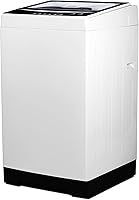
Why Is My Portable Washer Leaking?
A portable washer usually leaks because a hose connection is loose, a drain hose is misplaced, or water is escaping from the tub. Stop the cycle, unplug the washer if you can reach the plug safely, and find where the water first appears.
On this page (6 sections)
A portable washer usually leaks because a hose connection is loose, the drain hose is out of place, or water is escaping from the tub. Stop the cycle, keep clear of wet electrical connections, and trace the water to its first visible source before using the washer again.
A puddle can spread far from the leak, so where you see water isn't always where it began. Dry the floor, check the hoses and faucet connection, then watch from a safe distance for the first sign of water.
Why is my portable washer leaking?
A portable washer can leak at the water inlet, drain hose, tub, or an internal connection. Note whether the leak starts while filling, washing, draining, or spinning; that timing can help narrow down where to look.
Unplug the washer only if the plug and your hands are dry and you can reach it safely. If water is near the outlet, plug, or cord, don't step into it or touch the washer; keep clear and get qualified help to disconnect power.
Check the user manual before removing a panel or attempting a repair. Don't operate the machine with a suspected internal leak.
Why is my portable washer leaking from a hose?
A loose, cracked, kinked, or poorly seated hose can let water escape. Look at the inlet hose from the faucet to the washer and the drain hose from the washer to its discharge point.
Check connections while the water is off. Tighten them only as the manual directs, and replace a hose that is split, brittle, or otherwise damaged.
Some washers connect to a particular kind of faucet. For example, the BLACK+DECKER 0.9 cu ft Portable Washer connects to a single faucet connection from a standard kitchen sink, and other faucet types require a separate adapter.
Before reconnecting water, check that the washer is steady and the hoses can reach without pulling tight. Our guide to portable washers and dryers for small homes explains the space and hookup questions to consider when choosing a setup.
Can a drain hose cause a leak during draining?
Yes, a loose or misplaced drain hose can spill water when the washer pumps it out. Check both ends of the hose and make sure its outlet is positioned as the washer manual specifies.
Look for water that appears only during the drain portion of a cycle. A hose can shift or come loose as the machine vibrates, so secure it as directed before considering another test.
Don't improvise a connection with tape or force a hose into a drain opening. If the hose is damaged, use a compatible replacement.
What should you check before running another load?
Check the hoses, faucet adapter, drain position, floor, and washer stability before using the machine again. Keep the washer unplugged while you inspect it, and don't handle wet electrical parts.
Dry the cabinet and floor so fresh water is easier to spot. Make sure the machine sits on a solid, level surface, then check for water under it and around each connection.
If the washer has a drain pump, check that the drain hose and outlet are installed as instructed. A compact automatic model such as the ROVSUN 17.8 lb Fully Automatic Portable Washer includes a drain pump, so its hose position is one connection to inspect when water appears during draining.
Don't run a test cycle if water reached an outlet, if the leak is coming from inside the cabinet, or if you can't find the source. For cleaning and routine care after a leak is resolved, see how to clean a portable washing machine.
Could too much laundry or water cause a leak?
An overloaded tub or more water than the washer allows can lead to spilling or poor drainage. Check the manual's load and water-level guidance before adding laundry or filling the tub.
Bulky items can take up more room than their weight suggests. Redistribute the load if it bunches on one side, and use the machine's recommended load size rather than pressing extra clothes into the tub.
A twin-tub washer has separate wash and spin tubs, so check both compartments and their hoses. The Costway 26 lb Twin Tub Portable Washer has an 18 lb wash tub and an 8 lb spin tub; keep each compartment within its stated capacity.
A stable, properly loaded washer is less likely to shift during operation. Read whether portable washing machines are any good for more on fit, capacity, and the tradeoffs of compact washers.
When should you stop troubleshooting a washer leak?
Stop and contact the manufacturer or a qualified repair person if water keeps leaking, comes from inside the cabinet, or reaches electrical parts. Don't remove panels or keep running cycles to locate an internal leak.
Also stop if a hose connection won't stay secure, the cabinet appears damaged, or the washer behaves differently after the leak starts. Keep the model information and a description of when the leak appears ready when seeking help.
A persistent leak can damage the floor and create a slip hazard. Keep children and pets away from the wet area until it is dry.
How can you prevent a portable washer from leaking again?
Secure the hoses, follow the manual's connection steps, and keep the washer level on a solid surface. Check the faucet adapter and drain hose before each use, especially after moving the machine.
Don't pull the washer by its hoses, and leave enough slack that connections aren't under strain. Clean the washer as directed and avoid loads that exceed its capacity.
If the leak returns after a connection check, stop using the washer and get qualified help. Once the source is fixed, use the manual's setup instructions before washing again.
What is the safest next step if your washer is leaking?
If water appears at a hose or faucet connection, stop the cycle and inspect that connection with the water off. If it appears from under or inside the cabinet, or near electrical parts, keep clear and contact qualified help.
Choose a replacement hose or adapter only after checking what fits your washer and faucet. For ongoing care, follow how to clean a portable washing machine, and review the portable washer and dryer guide if your current hookup doesn't suit your space.
Frequently asked questions
Why is my portable washer leaking from the bottom?
A leak underneath can come from a loose or damaged hose, a drain connection, or water escaping from the washer during a cycle. Stop the washer and dry the floor, then check where water appears first.
If it returns from under the cabinet, unplug the unit safely and contact the manufacturer or a qualified repair person.
Can I use a portable washer if it is leaking?
Don't run another load until you find and fix the source. Water near a plug, outlet, or cord can create an electrical hazard, so keep clear and cut power only if you can do so safely.
If the leak continues or reaches electrical parts, contact a qualified repair person.
Why does a portable washer leak when filling?
A leak during filling often points to the water supply hose, faucet adapter, or an overfilled tub. Stop the fill and check that the hose and adapter are secure and compatible with the faucet.
Follow the washer manual for the correct water level and connection steps.
How do I stop a portable washer drain hose from leaking?
Check that the drain hose is seated securely at the washer and directed into a suitable drain, following the manual. Look for a loose connection, split hose, or kink that could redirect water.
Replace a damaged hose with the correct part instead of covering a leak with tape.