Portable Washers and Dryers: A Guide for Small Homes
A portable washer and dryer can handle laundry in a small home when you have a suitable place to connect the washer, drain its water and vent or place the dryer. Choose a separate pair for flexible loads, or a combo unit when saving floor space matters most.
On this page (10 sections)
- What does a portable washer and dryer setup include?
- Which portable washer and dryer setup fits your home?
- How much space do portable washers and dryers need?
- What washer connections should you check?
- What dryer power and venting do you need?
- How much laundry can a portable washer and dryer handle?
- How long can portable laundry take?
- Is a portable washer and dryer right for a small apartment?
- What should you consider before buying?
- Which setup should you choose?
A portable washer and dryer can make laundry possible in a small home if you can connect and drain the washer, meet the dryer's power and vent needs, and fit the machines where you'll use them. Choose separate appliances for more flexible laundry flow, or a combo when one footprint matters more.
Start by measuring the intended spot and the route to it. Then check water access, drainage, outlet requirements and the dryer's exhaust needs before comparing capacity or features.
What does a portable washer and dryer setup include?
A portable laundry setup usually means a compact washer and dryer that can be installed without a permanent laundry room. Some are separate machines, while an all-in-one unit washes and dries in one appliance.
Portable describes the setup, not one universal installation method. A washer still needs a way to receive and drain water, and a vented dryer needs an exhaust route.
Confirm each machine's requirements before deciding it will work in your home.
A separate pair can let you wash another load while the first one dries, provided your space and routine support that workflow. A combo keeps both jobs in one appliance, but one load may occupy it through washing and drying.
See how a portable dryer works for the difference between its drying modes and the role of exhaust.
Which portable washer and dryer setup fits your home?
Choose based on the constraints that matter most: available floor space, connection points, laundry volume and how quickly you need clean clothes. The appliance with the smallest footprint may not be the best fit if it cannot handle your typical loads.
| Setup | Could suit you if | Check before choosing |
|---|---|---|
| Separate washer and dryer | You want to run different loads at once | Space for two machines, connections and vent route |
| Washer and dryer set | You want a matched pair in one purchase | Each machine's dimensions, capacities and setup needs |
| All-in-one combo | A single appliance fits your room better | Wash and dry capacity, cycle options and installation rules |
| Washer with spin dryer | You can air-dry clothes or need help removing water | Whether spin drying meets your drying needs |
A separate washer and dryer can offer more control over load timing. You'll still need enough room to position both, keep hoses accessible and move clothes between machines.
This ROVSUN set has a fully automatic washer and a separate dryer. Its washer includes a spin-dry function, while the dryer is a second appliance that needs its own placement and connection checks.
The Hamilton Beach combo joins washing and drying in one front-load appliance. Compare its dimensions with your room and consider whether keeping the machine occupied for both parts of a cycle fits your laundry schedule.
For a closer look at that trade-off, read washer dryer combo vs. stackable pair.
How much space do portable washers and dryers need?
Measure the appliance footprint, operating room and connection space together. A machine may fit on paper but still be hard to load if hoses, doors or nearby cabinets block access.
Use these steps before choosing a model:
- Measure the floor area where each machine will sit.
- Check the doorway, hallways and turns on the delivery route.
- Mark where the water connection, drain and outlet are located.
- Allow room to open doors or lids and load laundry.
- Plan how you will reach hoses, filters and controls.
- For a vented dryer, check the route for its exhaust hose.
The BLACK+DECKER washer measures 21.6 in wide, 22.2 in deep and 37.4 in high. The BLACK+DECKER dryer measures 23.6 in wide, 17.1 in deep and 27.5 in high, so compare each machine's shape with the actual spot.
A combo avoids placing two separate appliances side by side, but its footprint can still be substantial. The Hamilton Beach combo measures 23.4 in wide, 25.2 in deep and 33.5 in high.
Measure the full route, not just the final location. If stairs, narrow turns or thresholds are involved, plan how the appliance will get through safely.
What washer connections should you check?
Check that you can supply water and drain it where the washer will sit. Portable washers can use different connection methods, so confirm the included parts and setup instructions for the model you choose.
The BLACK+DECKER 2.0 cu ft washer includes a water supply hose, drain hose and quick-connect sink adapter. Those parts can help with a sink-based setup, but you still need a compatible connection and a safe place for wastewater to go.
Before buying, check:
- Whether the washer's water connection fits your faucet or plumbing.
- Whether the drain hose can reach the intended drain point.
- Whether the floor and nearby area can handle an accidental spill.
- Whether you can secure and inspect the hoses during use.
- Whether your lease or building rules allow the setup.
Portable washers can leak if a hose connection is loose, poorly placed or damaged. If you see water, stop the cycle and address the source before using the machine again.
Our guide to why a portable washer leaks covers common setup checks.
What dryer power and venting do you need?
Check the dryer’s voltage, outlet and exhaust requirements against the location you plan to use. A compact dryer can still need a vent hose and a clear route for warm, damp air.
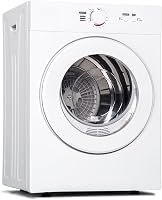
The BLACK+DECKER 2.65 cu ft portable dryer is described for a standard 120V outlet and includes a 4 in vent hose. Plan where that hose will go, and follow the installation and safety instructions for your home.
An all-in-one unit has different installation requirements from a separate vented dryer. Confirm the chosen model’s instructions before assuming it can operate in a room without an exhaust route.
If you're renting, ask the landlord or building manager about appliance rules and venting before arranging the space. Our guide to having a portable dryer in an apartment explains the checks to make.
How much laundry can a portable washer and dryer handle?
Compare the washer's load capacity with the dryer's capacity because the two numbers may differ. A load that fits the washer may need to be divided before drying.
The BLACK+DECKER washer holds up to 15.4 lb per load, while the BLACK+DECKER dryer has an 8.8 lb load volume. That difference means you may need to dry a wash load in parts, especially for heavier or bulkier items.
The ROVSUN set pairs a 17.8 lb washer with a dryer described for up to 10 lb. Its instructions say to use no more than 5.5 lb at a time for quick drying, so consider how many smaller dryer loads your routine can accommodate.
The Hamilton Beach combo is described for up to 26.4 lb washing and 17.6 lb drying. Since washing and drying happen in the same unit, the cycle can take longer before the appliance is ready for another load.
Capacity is only one part of fit. Bulky items can take more room than their weight suggests, and you may need to split bedding or towels even when the number is within the stated limit.
How long can portable laundry take?
Portable laundry timing depends on load size, cycle choice, machine capacity and how the washer and dryer are arranged. A separate pair can run overlapping cycles, while a combo handles one load through its wash and dry stages.
The BLACK+DECKER dryer gives a 30 to 200 minute range for drying, with time depending on the load and selected mode. Smaller dryers may take longer for a load than a larger household dryer, so plan around the clothes you need and when you need them.
The ROVSUN washer includes a 26-minute quick wash option. A short wash cycle does not include the time needed to transfer clothes, dry them or handle a larger load in multiple batches.
If laundry timing matters, think through a normal day: when you can connect the washer, move clothes, empty the dryer and start the next load. That routine can be a better guide than a single cycle number.
Is a portable washer and dryer right for a small apartment?
A portable washer and dryer can suit an apartment when the space, connections and building rules allow the setup. Apartment size alone does not guarantee that the machines can be installed or used safely.
Ask about permission before connecting appliances to a sink or changing how a room vents. Check the lease, building rules and the appliance instructions, then measure the room and delivery route.
A separate dryer may need an exhaust route to the outside. If the apartment cannot support the required venting, compare a combo or another laundry option only after confirming its installation requirements.
For more about the trade-offs between a compact dryer and a standard model, see portable dryer vs. regular dryer.
What should you consider before buying?
Compare setup requirements first, then capacity and cycle features. A washer and dryer that fit your laundry habits still need a workable place to connect, drain and vent.
Use this checklist:
- Measure the spot and route: include doors, turns and room to load.
- Confirm washer hookups: check water supply, drain reach and faucet fit.
- Check dryer needs: verify the outlet and whether an exhaust hose is required.
- Compare capacities: note that wash and dry limits can differ.
- Review cycle options: decide which settings you expect to use.
- Plan maintenance access: leave room to reach filters, hoses and controls.
- Check building rules: ask before installing or venting equipment in a rental.
A washer with several cycle choices may help if your laundry includes different fabric types. The BLACK+DECKER portable washer offers Normal, Heavy, Delicate, Quick, Bulky and Spin Only selections, plus 3 water levels and hot, warm and cold settings.
The BLACK+DECKER dryer offers Air Dry, Cool, ECO, Warm and Hot modes, as well as Sensor Dry. Consider whether those choices match the loads you actually plan to dry.
Which setup should you choose?
Choose a separate portable washer and dryer if you have room for both machines and want to handle laundry in overlapping stages. Choose a washer and dryer set if a pre-paired arrangement fits your space and each machine meets your connection needs.
Choose an all-in-one combo if a single appliance footprint is the main constraint and its wash and dry capacity suits your load size. If you can wash clothes but have no workable dryer vent route, check whether a different drying method or a model with compatible installation requirements fits your home.
For a washer-only setup, compare portable washing machines and consider whether a spin dryer or air-drying routine covers the rest of your needs. The right portable washer and dryer is the one you can connect, use and maintain safely in the space you have.
Frequently asked questions
Can you use a portable washer and dryer in an apartment?
Often, if the apartment has a suitable water connection, drain, electrical outlet and dryer vent route. Check your lease and building rules first, then confirm the appliance requirements and measure the space and path to it.
Some dryers need venting, so a compact size alone does not make every setup workable.
Is a washer dryer combo better than separate portable machines?
A combo can save floor space because washing and drying happen in one appliance, while a separate pair lets you move a washed load to the dryer and start another wash. Compare the space each setup needs, the wash and dry capacities, and whether a single-machine cycle suits your routine.
Do portable dryers need a vent?
Some portable dryers use a vent hose to move warm, damp air out of the room. Check the model's instructions and plan a safe route to the outside before buying.
A ventless combo may avoid a separate exhaust hose, but confirm its installation needs and cycle details.
Can a portable washer handle a full-size laundry load?
Portable washer capacity varies, so check the stated load limit and compare it with the clothes you wash at once. A smaller load may mean more cycles for towels, bedding or a household's weekly laundry.
Measure bulky items and consider whether you can split them into manageable washes.
What should you measure before choosing a portable washer and dryer?
Measure the appliance footprint, doorways and turns on the route to its spot, plus room for hoses, cords and dryer venting. Check access to water, a drain and the required outlet.
Leave working space to load the machines and move laundry between them.