Washer Dryer Combo vs Stackable Pair: Which Is Better? (November 2026)
Choose a washer dryer combo to wash and dry in one machine, or a stackable pair to run separate loads at the same time. Your room, laundry routine and preferred capacity help decide which setup fits.
On this page (8 sections)
Choose a washer dryer combo to wash and dry in one machine, or a stackable pair to run separate loads at the same time. Your room, laundry routine and preferred capacity help decide which setup fits.
A combo saves you from moving wet clothes between machines, but its wash and dry stages share one appliance. A stackable pair needs room for 2 machines, yet it can wash one load while drying another.
This comparison looks at capacity, cycle timing, space and setup. For more options, see our guide to ventless washer dryer combos.
 Best for wash-and-dry convenience
Hamilton Beach 2.65 cu ft All-in-One Washer Dryer
 Best for separate, simultaneous cycles
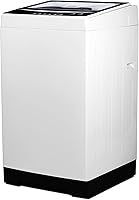
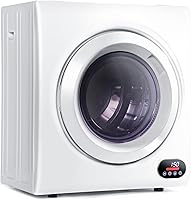
Equator Stackable 1.62 cu ft Washer and 3.5 cu ft Dryer
Washer dryer combo vs stackable: what is the main difference?
A combo combines washing and drying in one machine; a stackable pair has a separate washer and dryer. That difference shapes how much laundry you can process at once and how much room the setup needs.
With a combo, you load one appliance and select a wash or wash-and-dry program. The same drum handles both stages, so another load can't wash while the first one dries.
A stackable pair separates those jobs. You can move a washed load to the dryer and start another wash, if your home and the machines' instructions allow both to run together.
Which uses space more efficiently?
A combo uses one appliance footprint, while a stackable pair uses a washer footprint plus a dryer above it. Stacking saves floor area compared with placing the pair side by side, but the total installation still needs enough height and safe access.
Measure width, depth and height, then account for doors, hoses, electrical access and any required clearance. Check the delivery path too, including doorways and turns.
For a closer look at stacked portable units, read whether you can stack a portable dryer on a washer. The answer depends on the exact machines and approved stacking method.
Which setup handles laundry faster?
A stackable pair can move laundry through separate machines faster when you have back-to-back loads. A combo can be convenient for a single load, but it occupies the washer and dryer in sequence.
The Midea combo's default wash-and-dry program is described as 6 hours. That doesn't mean every program takes that long, but it illustrates why you should check the cycle times that match your laundry routine.
The Equator pair is designed so its washer and dryer can run at the same time. You could wash a second load while the first dries, though the total time still depends on load size and selected programs.
When does a combo fit your routine?
A combo can fit a household that does smaller loads and doesn't need the washer available during drying. You can start a program and return when the full wash-and-dry cycle finishes.
It may be less convenient if you often need several loads ready in a short window. You also can't use the combo to wash another load while its current load is drying.
Consider how you handle towels, bedding and everyday clothes. Larger or bulky items may need their own cycle, and a combo's capacity can differ between washing and drying.
When does a stackable pair help?
A stackable pair helps when you regularly do several loads in one session. Separate machines let you overlap washing and drying rather than waiting for one appliance to finish both stages.
That flexibility comes with more setup and maintenance. You have 2 machines, separate cycles and the added task of moving damp clothes between them.
How do the capacities compare?
Compare wash capacity and dry capacity separately, because they may not match. A combo's wash drum can hold more than its drying stage is designed to handle.
The Hamilton Beach combo lists a 26.4 lb wash capacity and a 17.6 lb dry capacity. If you fill it to the wash limit, you may need to remove some items before drying.
The Equator washer is 1.62 cu ft and its dryer is 3.5 cu ft. Those figures use volume, while the Hamilton Beach capacities use weight, so they aren't direct comparisons.
The Midea combo is 2.7 cu ft. Its capacity figure alone doesn't tell you the dry load limit, so check the manual and use the manufacturer's load guidance.
Choose around the items you wash most often. If you regularly wash large loads, compare the capacity details for exact models before choosing by machine type.
What are the setup differences?
A combo may simplify the appliance layout, while a stackable pair needs a safe way to secure one machine above the other. Confirm the connections and installation rules for the exact models before ordering.
The Midea combo is described as using a standard 120V outlet and needing no venting. You'll still need suitable water and drainage connections, plus room to access the door and controls.
The Equator pair includes a stacking kit and is designed to stack. Follow its installation instructions and confirm that the room, floor and connections suit both units.
The Hamilton Beach combo is a front-load, 24-inch design. Check its dimensions against your available space, and verify the exact electrical and plumbing requirements in the manual.
For more on dryer connections, see our guide to whether portable dryers plug into a regular outlet. Don't assume every dryer uses the same connection just because it fits in the same room.
Which option should you choose for an apartment?
Choose by the connections and space you actually have, then decide whether you value one-machine convenience or overlapping cycles. Apartment size alone doesn't determine which layout works.
A combo can reduce the number of appliance footprints and may help when venting isn't available. Check whether the unit's water, drainage and electrical setup works with your apartment.
A stackable pair can preserve floor space and support simultaneous laundry stages. It still needs enough height, suitable connections and approval where your lease or building rules require it.
Our portable washer and dryer guide covers compact laundry setups for small homes. If drying space is the main constraint, review compact dryers for apartment living as well.
Which machine is easier to manage?
A combo has fewer machines to coordinate, while a pair gives you separate controls and more scheduling flexibility. Choose the routine you can keep up with.
The Hamilton Beach combo offers multiple wash programs, temperature settings and a delay start. The Midea has 16 optional programs, plus features such as steam care and reload.
The Equator washer includes memory programs and a pet cycle, while the dryer has its own controls and cycles. That separation can be useful when you want to tailor wash and dry stages independently.
More programs don't guarantee better results for every fabric. Sort laundry by care label, choose a suitable cycle and follow each machine's instructions.
How much laundry can you do at once?
A stackable pair can process 2 loads in overlapping stages; a combo handles one load through its shared machine. Your weekly laundry volume helps show whether the extra flexibility matters.
If you wash once or twice a week, the combo's one-load sequence may be manageable. If you regularly wash several loads in one day, the pair's ability to overlap stages can save waiting time.
Think about the loads you can't combine, such as towels, bedding and delicate items. A smaller load may also be needed for drying even if the wash drum has room for more.
Which should you pick?
Pick an all-in-one washer dryer combo for a single appliance and a simpler load handoff; pick a stackable pair for separate machines and overlapping cycles. Match capacity, connections and room measurements to your actual laundry routine.
The Midea combo is the strongest fit here if ventless drying and a standard 120V outlet suit your installation. The Equator pair fits a routine with multiple loads, while the Hamilton Beach offers a larger stated wash load than its dry load.
If you're still comparing compact laundry layouts, start with our washer dryer combo guide for apartments. Choose the setup that fits your space and the way you do laundry.
Frequently asked questions
Is a washer dryer combo better than a stackable pair?
A combo suits you if you want one machine to wash and dry a load, while a stackable pair suits you if you want separate units that can run at the same time. Compare the room available, the load sizes you usually wash and how quickly you need dry clothes.
Can a washer dryer combo dry a full wash load?
Not always. The Hamilton Beach combo lists a 26.4 lb wash capacity and a 17.6 lb dry capacity, so a full wash load may need to be split before drying.
Check the exact model's capacity guidance and follow its manual.
Does a ventless washer dryer combo need a dryer vent?
A ventless combo does not need an exhaust vent for drying. The Midea combo is described as ventless, but you'll still need to follow its installation instructions for water, drainage, electrical connection and clearance.
Can a stackable washer and dryer run at the same time?
Yes, the Equator washer and dryer are designed to run simultaneously, so one load can wash while another dries. Check the electrical and installation requirements for both machines before deciding whether your home can support that setup.
Which setup is better for a small apartment?
Either can suit an apartment, depending on the room and hookups. A combo keeps washing and drying in one machine, while a stackable pair uses vertical space and lets the machines run separately.
Measure the installation area and check outlet, vent and plumbing requirements.