Do Portable Dryers Plug Into a Regular Outlet?
Many portable dryers plug into a regular 120V outlet, but check the model’s voltage, plug, and installation instructions first. A standard outlet does not guarantee that the circuit or room setup is suitable.
On this page (7 sections)
- Do portable dryers plug into a regular outlet?
- What should you check before plugging in a 110V portable dryer?
- Do portable dryers need a vent as well as an outlet?
- Can you plug a portable dryer into a bathroom or kitchen outlet?
- Will a 120V portable dryer take longer to dry clothes?
- What does a regular outlet not tell you?
- How do you choose a portable dryer for a regular outlet?
Many portable dryers plug into a regular 120V outlet, but you must check the model’s voltage, plug, and instructions before setup. The outlet is only one part of the fit: the circuit, airflow, and vent route matter too.
A 120V model may suit a small home where a full-size dryer hookup isn't available. For a broader look at the tradeoffs, read our guide to portable dryers versus regular dryers.
Do portable dryers plug into a regular outlet?
Many compact portable dryers use a 120V three-prong plug. Check the specific model’s manual and the electrical details on the appliance before plugging it in.
A regular wall outlet doesn't mean every outlet or circuit is suitable. Follow the manufacturer’s instructions for the outlet and circuit, and don't use an extension cord unless the manual explicitly allows it.
If you rent, ask your landlord before installing or routing a vent. For rules and setup questions in a rental, see whether you can have a portable dryer in an apartment.
What should you check before plugging in a 110V portable dryer?
Confirm the voltage, plug type, and circuit requirements in the manual. People often say “110V,” but many portable models are labeled 120V, so use the appliance’s stated requirement rather than guessing from the name.
Check that the outlet is in good condition and that the plug fits without adapters. If you're unsure whether the circuit can support the dryer, ask a qualified electrician.
Don't share an outlet or circuit with other high-power appliances unless the instructions and a qualified professional confirm that the setup is suitable. Stop using the dryer if the plug, outlet, or cord becomes hot or shows damage.
Does a standard wall plug mean any room will work?
No. A three-prong plug may fit a standard outlet, but the dryer still needs enough clearance and a safe path for exhaust air if it is vented.
Keep the dryer out of enclosed cabinets unless its manual permits that placement. Leave the air gaps the instructions require, and avoid blocking the intake or exhaust.
Our guide on how a portable dryer works explains why airflow and lint removal are part of the setup.
Do portable dryers need a vent as well as an outlet?
A vented portable dryer needs its exhaust routed as the manual directs. The power plug doesn't remove warm, moist air from the room.
Before choosing a spot, measure the path from the dryer to an appropriate exhaust point. Avoid kinks or blocked hoses, and use the supplied connector and hose where required.
A room without a workable vent route may not suit a vented dryer. Compare vented options with portable dryer choices for apartments and check each model’s installation instructions before buying.
Which 120V portable dryers can fit a small-space setup?
Start with a model whose voltage, plug, and venting needs match your room. These options are all described as 120V portable dryers, but you should still confirm the installation details for your space.
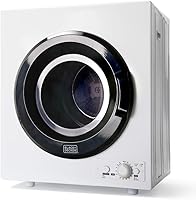
The BLACK+DECKER has a three-prong plug, a 3.5 cu ft drum, and a 4 in vent hose.
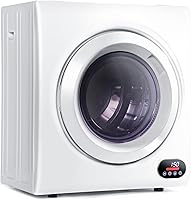
The Euhomy measures 17.6 x 23.6 x 27 in and can be wall-mounted, set on a solid floor, or placed on a shelf with safe airflow.
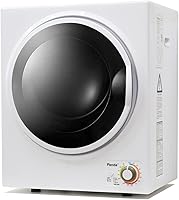
The Costway is a 120V, 1700W model measuring 23.5 x 20 x 27.5 in, and its mounting bracket is not included.
These details describe possible fits, not a guarantee that a particular room or circuit is suitable. Use each model’s manual to confirm clearances, venting, and electrical requirements.
Can you plug a portable dryer into a bathroom or kitchen outlet?
Only if the dryer instructions allow that outlet and circuit. A nearby outlet may be convenient, but other appliances or room conditions can affect whether the setup is suitable.
Don't place the dryer where water can reach the plug, cord, or controls. Keep it on a stable surface, and follow the manual’s clearance and ventilation guidance.
If you need a longer cord to reach an outlet, don't improvise with an extension cord. Check the manual or ask an electrician about a safe outlet location.
Will a 120V portable dryer take longer to dry clothes?
It can take longer than a full-size dryer, depending on the model, load, and fabric. The BLACK+DECKER’s stated drying times range from 30 to 200 minutes, and its instructions note that 120V drying may take longer than a 220V full-size machine.
Avoid overloading the drum, since a crowded load can restrict tumbling and airflow. Follow garment care labels and the dryer’s load guidance.
For help comparing power use and household impact, see how much electricity a portable dryer uses.
What does a regular outlet not tell you?
It doesn't confirm the circuit capacity, vent route, clearances, or mounting support. Check all four before setting up the dryer.
Measure the space, including room to open the door and access the lint filter. If wall mounting, use only the hardware and mounting method allowed by the manufacturer.
Clean the filter as directed and keep exhaust paths clear. If the dryer stops heating, follow the manual’s troubleshooting steps and see why a portable dryer may not be heating.
How do you choose a portable dryer for a regular outlet?
A 120V three-prong plug is a useful starting point if you need a portable dryer for a regular outlet. Then verify the circuit, placement, airflow, and venting instructions for the exact model.
Choose the BLACK+DECKER if its 3.5 cu ft size and included vent hose suit your setup. Consider the Euhomy when its smaller listed dimensions help with space, or the Costway if its capacity and 120V requirement fit your room and mounting plan.
For more options, browse our portable dryer guide. Make the final choice only after checking your outlet and installation conditions against the model’s manual.
Frequently asked questions
Do portable dryers plug into a regular outlet?
Many portable dryers use a standard 120V outlet and a three-prong plug, but requirements vary by model. Check the voltage and plug in the manual, then confirm the outlet and circuit meet the instructions.
Some models also need clear space and an exhaust hose routed to a suitable vent location.
Can I use an extension cord with a portable dryer?
Don't assume an extension cord is safe for a portable dryer. Check the appliance manual and ask a qualified electrician if the outlet location is a problem.
A cord can add a connection that the dryer instructions don't allow, and the dryer still needs a circuit that meets its electrical requirements.
Does a portable dryer need a vent?
Some portable dryers are vented and need an exhaust hose routed as their instructions specify. Check the model before buying and plan where the warm, moist air will go.
A standard outlet only answers the electrical question; it doesn't tell you whether your room can handle the dryer’s venting needs.
Is a 120V portable dryer the same as a regular full-size dryer?
No. A 120V portable dryer uses a different electrical setup from many full-size dryers, and drying capacity and cycle times can differ.
Compare the appliance instructions, load needs, and available space before choosing.
For a compact option, also consider how you’ll vent the dryer and reach its filter.