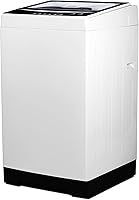
How to Connect a Portable Washer
To connect a portable washer, attach the quick connect adapter to your kitchen or bathroom faucet, hook the water inlet hose to it and to the machine's inlet, then clip the drain hose over a sink or tub. Tighten both ends by hand, run a short cycle to check for leaks, and confirm the machine is level before the first real load.
On this page (9 sections)
- What comes in the box for a portable washer hookup?
- How do you attach the faucet adapter and water hose?
- How do you set up the drain hose?
- Where should you put a portable washer before you connect it?
- How do you run the first test cycle?
- How do you stop leaks at the faucet and hose connections?
- Can you connect a portable washer to a bathroom or kitchen faucet?
- What should you check before every wash day?
- Which portable washer fits the way you'll connect it?
To connect a portable washer, attach the quick connect adapter to your kitchen or bathroom faucet, hook the water inlet hose to it and to the machine's inlet, then clip the drain hose over a sink or tub. Tighten both ends by hand, run a short cycle to check for leaks, and confirm the machine is level before the first real load.
The job takes about 15 minutes with the hoses that come with the machine. The only tricky parts are matching the adapter to your faucet and keeping the drain end from slipping out mid-cycle.
What comes in the box for a portable washer hookup?
You need the water supply hose, a faucet adapter, and the drain hose, and most portable washers ship with all three. Check the bag or foam packing before you buy anything extra.
The BLACK+DECKER 2.0 cu ft model includes a water supply hose, a quick connect sink adapter, and a drain hose. The ROVSUN 17.8 lb model ships with a water supply hose and a quick sink connector.
The COMFEE' 1.6 cu ft washer includes a converter and a water inlet hose.
You will also need a threaded faucet, a sink or tub for the drain end, and a level surface for the machine. A small towel and a flashlight help when you reach behind the unit.
How do you attach the faucet adapter and water hose?
Screw the adapter onto the faucet first, then click the hose onto it. Remove the faucet's aerator if the adapter needs the bare spout, and keep the aerator somewhere safe so you can refit it later.
- Unscrew the aerator from the faucet by hand.
- Thread the adapter onto the spout and tighten it by hand only.
- Push the hose connector onto the adapter until it clicks or seats fully.
- Screw the other end of the hose onto the washer's inlet valve.
- Turn the faucet on slowly and watch both ends.
Hand-tight is enough. A wrench can crush the plastic threads on an adapter and cause the leak you were trying to prevent.
If water sprays at the faucet end, the adapter is loose or the wrong size for your spout.
Run the water for a few seconds before the first wash to clear air and grit from the line. Then shut it off until the machine is ready to fill.
How do you set up the drain hose?
Clip or hook the drain hose so its end sits inside a sink, tub, or standpipe above the water line. Gravity and the pump push the water out, so the hose must slope downward from the machine to the drain point.
Keep the end above the drain's water surface so dirty water cannot siphon back into the tub. If the hose reaches the floor and runs uphill, the pump has to work harder and may stop early with water still in the drum.
For a sink drain, use the clip or hook that came with the machine, or a spring clamp from a hardware store. A loose hose that flops out during the spin cycle is one of the most common causes of a wet floor.
Where should you put a portable washer before you connect it?
Choose a flat, dry spot within reach of both a faucet and a drain. The machine needs a level base, a nearby outlet, and enough clearance to open the lid fully.
Two rollers and two side handles make the BLACK+DECKER easy to move from room to room, and adjustable leveling legs let you correct a sloping floor. The COMFEE' 1.6 cu ft washer has wheels for the same reason.
The ROVSUN 17.8 lb model has adjustable feet for stability.
Skip the bathroom floor if it slopes toward a drain. A machine that rocks during the spin cycle will walk out of place and strain the hose fittings.
Check the level with a small bubble level on the lid before filling.
How do you run the first test cycle?
Start a short cycle on the lowest water level and watch for leaks at both hose ends. A test run finds a loose fitting before a full load of laundry is at risk.
The BLACK+DECKER has 6 cycle selections, including Quick and Spin Only, plus three water levels and hot, warm, and cold settings. The COMFEE' has 6 wash programs with 3 water temperatures.
The ROVSUN offers 8 wash modes and 5 water levels.
Set the machine to a quick wash, let it fill partway, then pause and check the faucet adapter and the inlet connection with a dry paper towel. If both stay dry, let the cycle finish and watch the drain end.
A little water left in the drum when the machine arrives is normal; the factory tests units before shipping. Wipe the tub before the first load so you are not washing clothes in that residue.
How do you stop leaks at the faucet and hose connections?
Most leaks come from a loose adapter, missing washer, or cross-threaded fitting. Fix those three first before you suspect the machine itself.
Tighten the adapter and hose by hand until snug, then give each a small extra turn. If the faucet end still drips, the adapter may be the wrong thread size for your spout.
Many kitchen faucets use a standard aerator thread, but some pull-down models need a different adapter.
Check that the rubber washer sits inside the hose connector and is not pinched or missing. A cross-threaded connector will feel tight but leak, so unscrew it and start again if the threads bind.
If water appears under the machine rather than at the hoses, the problem is elsewhere. Our guide to why is my portable washer leaking covers the internal causes and what to check next.
Can you connect a portable washer to a bathroom or kitchen faucet?
Yes, as long as the faucet has threads and the adapter matches. Kitchen sinks are the usual spot because the counter holds the machine's weight and the faucet is easy to reach.
A bathroom sink often has a smaller aerator thread and less counter space. A shower or tub faucet can work with the right adapter, but the hose must reach without stretching across a walkway.
Faucets with a pull-down spray head usually cannot take a screw-on adapter. In that case, use a different tap or a diverter that fits between the faucet and the hose.
Measure your spout thread before you buy an adapter so you get the right size.
If you rent, check your lease before you set up the machine. Our post on whether portable washers are allowed in apartments explains what to look for in a lease and how to raise the question with a landlord.
What should you check before every wash day?
Check the hose ends, the drain clip, and the machine's level before you start a load. These three checks take a minute and prevent most of the mess a portable washer can make.
Look for a damp ring around the faucet adapter and the inlet fitting. Wipe them dry and watch for a new drip during the fill.
Re-seat the drain hose in the sink or tub and make sure the end cannot slide out when the pump runs.
Confirm the machine still sits flat after you move it. A unit on two rollers can shift when the load is unbalanced, so lock the wheels or set the leveling legs after each move.
When the wash is done, shut off the faucet and let the hose drain before you disconnect it. Store the hoses loosely coiled rather than kinked, and keep the adapter with them so it does not get lost between wash days.
Which portable washer fits the way you'll connect it?
For anyone learning how to connect a portable washer, the best fit is the unit whose hose kit and drain setup match your faucet and sink. Check the included parts and the machine's footprint before you commit.
The BLACK+DECKER 2.0 cu ft model suits renters who move the machine between rooms, since it includes the adapter and drain hose and rolls on two wheels. The ROVSUN 17.8 lb unit suits households that want a built-in drain pump and a fully automatic wash-and-spin cycle.
The COMFEE' 1.6 cu ft washer suits tighter spaces where an 11 lb capacity is enough.
If you plan to dry clothes near the washer, read our guide to a portable washer and dryer setup. And if spin drying matters more than wash capacity, compare the best portable washers with a spin dryer before you buy.
Whichever you choose, connect the hoses first, test with a short cycle, and only then load the drum. A dry test run is the cheapest way to find a loose fitting.
Frequently asked questions
Do I need a plumber to hook up a portable washer?
No. A portable washer connects to a standard threaded faucet with the included quick connect adapter, so you can set it up yourself.
The one exception is a faucet without threads or with a pull-down spray head, which usually needs a diverter or a different tap.
Can a portable washer drain into a bathtub?
Yes. Drape the drain hose so the end sits inside the tub, and keep it above the water line while the pump runs.
Secure it with a clip or hook so the water pressure does not push it back out onto the floor.
How often should I check the hose connections?
Look at both ends of the inlet hose and the faucet adapter before every wash day. Wipe the fittings dry and check for a damp ring afterward, since a slow drip from a loose adapter is easy to miss until it stains a cabinet.
Can I leave the water hose attached all the time?
It depends on your faucet. Many people leave the adapter in place and unscrew only the hose between wash days.
If the adapter blocks normal faucet use or leaks, remove it after each load and store it with the hoses.