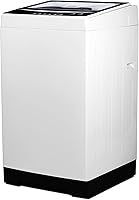
How to Fix Common Portable Washer Problems
Most portable washer problems come down to three things: a blocked drain pump, a loose hose connection, or an unbalanced load. Check those first, because they fix the majority of drain, leak and shake complaints without any tools.
On this page (10 sections)
- Why won't my portable washer drain the water?
- How do you stop leaks at the hose and faucet?
- Why is the washer shaking or walking across the floor?
- What do you do when the washer won't start?
- How do you clear a jammed pump or a blocked drain?
- Why does the washer fill slowly or not at all?
- How do you know whether to fix or replace the washer?
- How do you dry clothes without a built-in dryer?
- What should you check before calling a technician?
- How to fix a portable washer: the short version
Most portable washer problems trace back to three causes: a blocked drain pump, a loose hose connection, or an unbalanced load. Check those first, because they fix the majority of drain, leak and shake complaints without any tools.
This guide walks through how to fix a portable washer at home, step by step, so you can decide what is worth a five-minute check and what needs a technician. Start with the easiest and safest checks, and only move to the cabinet once the simple causes are ruled out.
Unplug the machine and shut off the water before you touch anything.
Why won't my portable washer drain the water?
A clogged pump filter or a kinked drain hose is the usual reason water stays in the tub. Clear those first, since both are outside the cabinet and take minutes.
Pull the drain hose straight and check for sharp bends behind the machine. Then find the pump filter, usually behind a small panel or cap near the bottom.
Remove it over a shallow tray and clear lint, hair and small items. A sock or a coin caught in the filter is a common find, so rinse it and push it back until it clicks.
If the tub still holds water after that, the pump itself or its wiring may be the fault, and that repair is best left to a technician. For a fuller look at leak and drain faults, see why is my portable washer leaking.
How do you stop leaks at the hose and faucet?
Tighten the hose coupling and check the rubber washer first. A missing or worn washer causes most faucet-side leaks on a portable washer.
- Shut off the tap and unplug the washer.
- Unscrew the inlet hose from the faucet adapter and inspect the washer.
- Replace a cracked washer and wrap the threads with plumbing tape if the adapter leaks.
- Reconnect hand-tight, then run a short fill cycle and watch for drips.
A leak under the tub or at the pump is a different problem. Wipe the cabinet dry, run a cycle and watch where water appears.
A puddle at the back often points to the drain hose connection rather than the tub.
Should you fix a leaking tub yourself?
No, in most cases. A tub or drum leak on a portable washer means opening the cabinet, and on budget units the tub is often molded in one piece.
Replacing a whole tub costs close to a new machine. If water seeps from the tub seam, compare a new unit against the repair bill before you commit.
Our guide to portable washers and dryers for small homes covers replacement options for tight spaces.
Why is the washer shaking or walking across the floor?
An unbalanced load and unlevel feet cause nearly all shaking. Fix both before you assume the machine is broken.
Distribute clothes evenly around the drum instead of dropping them in one clump. Wash smaller loads during the spin cycle, and pause the machine to rearrange bunched items.
On machines with adjustable feet, set them so the cabinet sits flat on a hard floor. Carpet and soft rugs make a portable washer wobble, so put it on a hard surface or a sturdy mat designed to cut vibration.
A machine that walks even when level and balanced may have a worn shock or spring, which is a technician job. The ROVSUN 25 lb model includes adjustable feet for stability and auto unbalance detection that stops the spin when the load shifts.
What do you do when the washer won't start?
Check the outlet, the lid switch and the door on the control panel before anything else. A tripped breaker or a partially closed lid stops many machines cold.
Confirm the outlet works by plugging in a lamp. Then check that the lid is fully closed, because most portable washers won't fill or spin with it open.
Press the control panel door shut and confirm the power button is on. If your model has a child lock, check it isn't active.
The ROVSUN unit includes a child lock and a memory backup that resumes the original wash program after a power cut, so a brief outage doesn't leave a half-finished cycle.
If the panel stays dark after those checks, the control board or its fuse may be at fault. That's a repair for a qualified technician, not a home fix.
How do you clear a jammed pump or a blocked drain?
Open the pump filter and remove the obstruction, then test with a short drain cycle. This fixes most slow drains and standing water.
Place a tray under the filter cap before you open it. Unscrew slowly and let the water trickle out, then pull out lint, hair and any small object with your fingers or pliers.
Rinse the filter under a tap and replace it. Run a short drain-only cycle and watch the water leave; if it still drains slowly, check the hose for a kink or a low loop where water sits.
A drain pump that hums but doesn't move water may be blocked further in or worn out. A replacement pump is a bigger job and best handled by a technician on most portable models.
Why does the washer fill slowly or not at all?
A blocked inlet screen or a partly closed tap slows the fill. Check the water supply before you suspect the machine.
Unscrew the inlet hose at the faucet and look for a small mesh screen inside the coupling. Rinse it free of grit and scale, and open the tap fully.
Confirm the hose isn't kinked behind the washer. If your model lets you fill manually, add water after selecting the water level and mode, then press start; the ROVSUN washer starts washing once the water reaches the level mark.
A fill that stops partway can also point to a faulty water-level sensor, which is a technician repair.
How do you know whether to fix or replace the washer?
Repair the washer when the fault is a hose, filter, pump or leveling problem. Those fixes are cheap and keep a working machine in service.
Replace the machine when the tub or drum is cracked, when the control board has failed on a budget model, or when the repair bill approaches the cost of a new unit. A leaking tub on an inexpensive portable washer usually tips the decision toward replacement.
A machine that keeps tripping the breaker needs a technician to check the wiring. Don't keep resetting the breaker and running it.
If you're in an apartment and unsure about installation rules, see whether portable washers are allowed in apartments before you buy a replacement.
How do you dry clothes without a built-in dryer?
Use a drying rack or a spin cycle to cut the water before air drying. Many portable washers spin most of the water out, and a rack finishes the job.
Hang or lay clothes with space between them so air moves through. A gullwing rack holds a full load and folds flat when the laundry is done.
The Honey-Can-Do rack offers 46 linear feet of drying space and holds up to 50 lb, with angled bars for shoes.
Turn thicker items like denim and towels partway through so both sides dry, and skip outdoor drying on damp days. For a faster finish, compare machines in our guide to the best portable washers with a spin dryer.
What should you check before calling a technician?
Run the simple checks first, then call with the fault described clearly. Most service calls end up being a blocked filter, a loose hose or an unbalanced load.
Work through this list:
- Is the machine plugged in and the outlet live?
- Is the lid fully closed and the child lock off?
- Is the drain hose straight and the filter clean?
- Is the load balanced and the machine level?
If all of that is clear and the washer still fails to drain, spin or start, describe the exact symptom and cycle to the technician. That saves time and usually the cost of a callout.
A semi-automatic twin tub such as the Pataku model uses a separate wash timer and spin timer, so a cycle that won't start often comes down to the timer setting rather than a fault.
How to fix a portable washer: the short version
Fix the easy causes first, and replace the machine when the tub or control board fails. A blocked filter, a loose hose, an unbalanced load or a closed lid explains most portable washer problems.
Clear the filter and hose, tighten the couplings, level the feet and balance the load before you think about a repair bill. If the tub leaks or the board is dead on a budget unit, put the money toward a replacement.
For leak-specific steps, keep why is my portable washer leaking open as you work, and if you're shopping for a new machine, compare the best portable washers with a spin dryer.
Frequently asked questions
How do I stop my portable washer from walking across the floor?
Level the feet, spread the load evenly around the drum, and run smaller loads. Most shaking stops once the washer sits flat on a hard, stable surface and the clothes are balanced before the spin cycle.
Can I fix a portable washer that won't spin?
Start with the lid switch and the load. Most portable washers stop the spin when the lid is open or the load is bunched to one side.
Balance the clothes and close the lid fully before looking at the motor or belt.
Is it safe to repair my portable washer myself?
Unplug it first and keep water away from the cord and outlet. Simple checks like hoses, filters and leveling are safe.
Anything inside the cabinet that involves wiring or the motor is best left to a qualified technician.
When should I replace a portable washer instead of fixing it?
Replace it when the repair costs more than a new unit or when the tub or drum is cracked. A pump or hose fix is usually worth it.
A leaking tub on a budget model often means the end of its life.
How often should I clean the drain filter?
Check the filter every few weeks, or more often if you wash pet bedding and heavy lint loads. A clean filter keeps the pump moving water and prevents the slow drain that causes most backups.