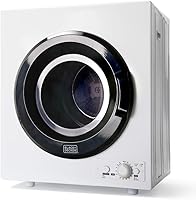
Why Is My Portable Dryer Not Heating?
A portable dryer may stop heating because the selected cycle uses cool air, the load blocks airflow, or the lint filter or exhaust is clogged. Check those simple causes first, then consult the manual before inspecting or servicing the machine.
On this page (5 sections)
A portable dryer that runs without heat may have a cool-air cycle selected, restricted airflow, or a load that is too large or too wet. Check the settings and airflow first; if those checks don't help, stop the dryer and use its manual to decide what to do next.
A little troubleshooting can help you tell a setup issue from a fault that needs service. For how the heating and airflow work together, see how a portable dryer works.
Why is my portable dryer not heating?
The most common first checks are the cycle, lint filter, exhaust path, and load size. Check each with the dryer off and cool, following its manual for safe access and cleaning.
Portable models vary. Some have air-only or cool settings alongside heated cycles, so confirm the selected setting before assuming a part has failed.
Restricted airflow can also make a dryer perform poorly. A lint-covered filter, crushed exhaust hose, or blocked outlet can limit the movement of warm air through the drum.
Can the wrong cycle make a portable dryer feel cold?
Yes, if the selected cycle is designed to use air without heat. Look for an air-dry or cool option and choose a heated mode that suits the fabric, if your manual allows it.
For example, the BLACK+DECKER dryer offers Air Dry, Cool, Warm, and Hot modes. A cool setting won't provide the same heat as Warm or Hot.
Use the fabric care label and dryer instructions together. If the drum stays cold on a suitable heated cycle after a short period, stop and check the other basic causes.
Can a full drum or wet clothes limit drying?
Yes, a packed drum can leave too little room for warm air to move around the clothes. Remove some items and try a smaller load, especially if the clothes went into the dryer very wet.
Portable dryers can take longer than full-size models, and a slow cycle doesn't always mean the heater is broken. The portable dryer guide explains what to expect from compact models.
The ROVSUN dryer is rated for up to 14.5 lb of wet clothes, with a note to keep loads at 9 lb or less for quick drying. Treat that as a model-specific limit, not a rule for every portable dryer.
If reducing the load doesn't help, check whether the clothes need more spinning before drying. The Euhomy dryer instructions recommend using it after spin-drying for a better drying effect.
Could a dirty filter or blocked vent be the cause?
Yes, a dirty filter or blocked exhaust can restrict airflow and make drying less effective. Switch the dryer off, let it cool, and clean the lint filter and exhaust components as the manual directs.
Check that the hose isn't crushed, sharply bent, or blocked where it exits. Don't remove guards or reach into the dryer to clear internal parts.
See how to clean a portable dryer lint filter for filter-care steps. Clean the filter at the interval stated in your manual, since designs differ.
If the exhaust outlet is hard to reach or seems blocked inside the wall, don't push tools into it. Ask a qualified service person to inspect it.
What should you check about the outlet and power?
Use the outlet and electrical setup specified for your exact dryer. Check the plug and outlet for looseness, damage, heat, or a tripped breaker, but don't open the outlet or alter wiring.
A dryer that tumbles may still have a problem with its heating system or power supply. The fact that the drum turns doesn't confirm that every electrical part is working.
Don't use an extension cord or a different outlet type as a workaround unless the manufacturer explicitly allows it. If the plug or outlet smells burnt, feels unusually hot, or shows damage, stop using the dryer and contact a qualified electrician.
For model-specific outlet questions, read whether portable dryers plug into a regular outlet. The manual and rating label for your dryer take priority.
When should you stop troubleshooting and get service?
Stop using the dryer if it still won't heat after basic checks, or if you notice burning smells, sparks, unusual noises, or repeated shutdowns. Follow the manual's service instructions or contact the manufacturer.
Don't remove the cabinet, test exposed wiring, or replace an internal part unless you're qualified and the manual specifically permits that work. A dryer can contain electrical and hot components that remain unsafe to touch.
If the machine is under warranty, ask the manufacturer about the right service route before attempting repairs. Record the model number and describe what you checked, but don't continue running it to reproduce the problem.
What is the best next step for a portable dryer that won't heat?
Check the cycle, clean the filter, clear external airflow restrictions, and reduce the load. If the dryer still runs cold, stop and use the manual or manufacturer support for the next step.
Choose a different cycle if the machine was set to air-only or cool. If airflow was restricted, clean the filter and straighten the exhaust hose before trying a small load.
For a broader comparison of compact models and their features, visit best portable dryers for home laundry. If your current machine has signs of an electrical or internal fault, arrange service instead of continuing to troubleshoot it yourself.
Frequently asked questions
Why is my portable dryer running but not heating?
A portable dryer can run without heat if the selected cycle uses cool air, airflow is restricted, or the load is too large or too wet. Check the cycle, clean the filter, and make sure the exhaust path is clear.
If it still won't heat, stop using it and follow the manual's service guidance.
Can a clogged lint filter stop a portable dryer from heating?
A clogged lint filter can restrict airflow and interfere with drying. Turn the dryer off, let it cool, and clean the filter as the manual directs.
Also check the exhaust hose for a blockage or sharp bend, since clearing only the filter may not restore airflow.
Should I keep running a portable dryer that is not heating?
No. If basic cycle and airflow checks don't solve the problem, stop the dryer and consult its manual or contact the manufacturer.
Don't open the cabinet or touch wiring or internal parts; electrical and heat components can be dangerous even when the dryer seems to be running normally.
Does a portable dryer need a special outlet to heat?
The outlet requirements depend on the dryer model. Check the rating label and manual, and use the outlet and plug setup they specify.
Don't use an extension cord or change wiring to try to restore heat; if the outlet seems damaged or overheats, stop and contact a qualified electrician.