How Does a Portable Dryer Work?
A portable dryer tumbles clothes while warm air removes moisture, then sends damp air through an exhaust vent or handles it according to the dryer’s design. Check the manual for venting, load size, and outlet needs before starting.
On this page (9 sections)
- How does a portable dryer work?
- What happens to the moisture inside a portable dryer?
- What parts help a portable dryer dry clothes?
- How long does a portable dryer take?
- Does a portable dryer need a special outlet?
- How should you set up a portable dryer?
- Why might a portable dryer stop drying well?
- What does a portable dryer’s capacity tell you?
- How does a portable dryer work, and what should you check?
A portable dryer tumbles clothes while warm air removes moisture, then moves the damp air out through a vent or handles it according to the model’s design. The drum, heat source, airflow, and lint filter work together to dry a load.
Before using one, check its manual for vent setup, load size, and electrical requirements. A compact dryer still needs enough room for safe airflow and the right outlet.
How does a portable dryer work?
A portable dryer works by rotating clothes through warm air. As the fabric tumbles, heat helps moisture evaporate; airflow carries that moisture away from the drum.
In a vented model, damp air leaves through an exhaust hose. The hose must be set up as the manufacturer instructs, with a clear path for air to leave.
A portable dryer is different from a washer spin cycle. A washer removes some water by spinning clothes, while a dryer uses heat and airflow to remove more moisture.
What happens to the moisture inside a portable dryer?
Moisture travels with the dryer’s exhaust air in vented models. That is why the exhaust hose and its outlet matter: warm, damp air needs a clear route away from the machine.
Some dryers may use a different moisture handling design. Check the manual for your specific model instead of assuming all compact dryers vent the same way.
Don’t block an exhaust opening or press the hose flat behind furniture. Restricted airflow can lengthen drying and may affect how the machine operates.
What parts help a portable dryer dry clothes?
The drum, heat source, airflow path, and lint filter each play a role. Together, they move fabric through warm air and keep lint from building up in the exhaust route.
What does the drum do?
The drum turns the clothes so air can reach more of the load. Clothes packed tightly together may not tumble freely, so follow the model’s load guidance and leave room for movement.
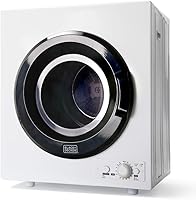
For example, the BLACK+DECKER BCED26 has a 2.65 cu ft stainless steel drum and an 8.8 lb stated load capacity. Its Sensor Dry feature measures moisture and adjusts heat, while its modes include Air Dry, Cool, ECO, Warm, and Hot.
How does heat and airflow remove water?
Heat helps water in the fabric evaporate, and moving air carries the moisture away. The dryer’s settings control how it runs, so choose a mode that suits the fabric and the manual’s care guidance.
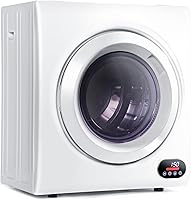
The ROVSUN dryer has 3.5 cu ft capacity, a touch screen, and multiple drying modes and temperature levels. Its listed maximum temperature is 149°F; check garment labels before choosing a setting.
What does the lint filter do?
The lint filter catches fibers as air moves through the dryer. A clogged filter can interfere with airflow, so clean it as often as the manual instructs.
The Feelfunn dryer includes a multi-filter system to trap lint. It has four drying modes and stops if the door is opened while running.
See our guide to cleaning a portable dryer lint filter for a practical cleaning routine. Check the manual for filter removal and care steps.
How long does a portable dryer take?
Drying time varies with the load, fabric, starting moisture, and selected mode. Smaller dryers may need longer cycles, especially when clothes are crowded or still very wet.
The BLACK+DECKER BCED26 lists cycle times from 30 to 200 minutes and notes that its compact size and 120V capability can extend drying time. Treat that as a range for that model, not a promise for every load.
If clothes come out damp, try a smaller load and make sure the lint filter and exhaust path are clear. Avoid adding more time without checking the manual’s instructions.
Does a portable dryer need a special outlet?
Use the outlet and electrical setup specified for the exact dryer model. Some portable dryers are designed for a standard household outlet, but requirements still vary.
The BLACK+DECKER BCED26 is described for a standard 120V outlet with a 3-prong plug. Feelfunn describes its model as suitable for 110V and 120V.
Confirm the appliance label and manual before plugging in.
For a closer look at plugs and outlet fit, read whether portable dryers plug into a regular outlet. Our portable dryer guide covers more choices and setup factors.
How should you set up a portable dryer?
Set the dryer on a stable surface and arrange its vent as the manual directs. Leave the required clearance around the machine, and keep the exhaust route from being crushed or blocked.
Check that the plug reaches the right outlet without an unsafe extension or adapter. The manual should specify whether wall mounting or a particular stand is allowed for that model.
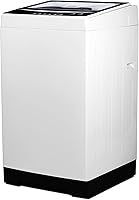
A portable washer and dryer can suit a smaller home, but the machines still need room for hoses, airflow, and loading. See our guide to portable washers and dryers for small homes for space planning.
Why might a portable dryer stop drying well?
A full load, dirty lint filter, blocked exhaust, or unsuitable setting can reduce drying performance. Start with the basic checks in the manual before assuming the dryer has a fault.
Make sure clothes can tumble and air can circulate. Clean the lint filter and check that the exhaust hose is not bent, blocked, or disconnected.
If the dryer runs but stays cold, follow the troubleshooting steps in why a portable dryer may not heat. Stop using it if you notice burning smells, damaged cords, or unusual heat around the outlet.
What does a portable dryer’s capacity tell you?
Capacity helps you estimate how much laundry the drum can handle, but it doesn’t guarantee every load will dry quickly. Fabric type, wetness, and room for tumbling also matter.
The BLACK+DECKER BCED26 lists 2.65 cu ft and an 8.8 lb load capacity. ROVSUN lists 3.5 cu ft and up to 13.2 lb, while Feelfunn lists 1.5 cu ft and recommends limiting wet clothes to 10 lb for quicker drying.
Use the model’s instructions when deciding load size. Bulky items can fill a drum before reaching its stated weight limit.
How does a portable dryer work, and what should you check?
A portable dryer uses tumbling, warm air, and airflow to remove moisture from clothes. Choose a model by the space available, outlet requirements, vent setup, and the load sizes you usually dry.
For a smaller drum with moisture sensing, consider the BLACK+DECKER. For more stated drum capacity, compare ROVSUN; for a compact option with four modes, look at Feelfunn.
Before buying, measure the space and confirm the exhaust and electrical setup. Then use our portable dryer guide to compare other setup and sizing questions.
Frequently asked questions
How does a portable dryer dry clothes?
A portable dryer rotates clothes in a drum while warm air helps moisture leave the fabric. Vented models send damp air out through a hose, so follow the manual for hose placement and airflow.
Drying time depends on the load, fabric, moisture, and the dryer’s settings.
Does a portable dryer need a vent?
Many portable dryers use an exhaust hose to carry warm, damp air away from the machine, but designs vary. Check the model’s manual before buying or operating it, and keep any required hose clear and directed as instructed.
Don’t assume a dryer is ventless based on its size.
Why does a portable dryer take a long time?
A small dryer may need more time when the load is heavy, tightly packed, or very wet. Restricted airflow can also slow drying, so clean the lint filter and check the exhaust path as the manual directs.
Use a smaller load if clothes are still damp after a cycle.
Can a portable dryer run from a regular outlet?
Some portable dryers are designed for a standard household outlet, while the required voltage and plug can vary by model. Read the appliance label and manual, and use the outlet type specified there.
For more on plugs and electrical fit, see our guide to portable dryers and regular outlets.