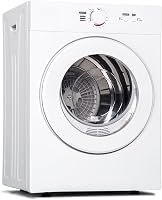
Can You Use a Portable Dryer in an RV?
Yes, you can use a portable dryer in an RV if your electrical supply, space, ventilation, and dryer instructions all allow it. Check the RV’s power limits and the dryer’s voltage and venting needs before you plug it in.
On this page (7 sections)
- Can you use a portable dryer in an RV?
- What should you check before plugging in a portable dryer?
- Can a portable dryer run on shore power or an inverter?
- Does a portable dryer need an exhaust hose in an RV?
- How much room does a portable dryer need in an RV?
- How do you use a portable dryer safely in an RV?
- Is a portable dryer worth bringing in an RV?
Yes, you can use a portable dryer in an RV if the RV can safely supply its power, you have room for the unit, and you can manage its exhaust as directed. Check the dryer and RV manuals before use, since electrical capacity and venting setups vary.
A compact dryer may help with small loads between campground laundry stops. It still needs a suitable power source, a stable place to sit, and enough clearance for its door and airflow.
Can you use a portable dryer in an RV?
You can use one when the RV’s electrical system and space suit the dryer. Confirm the dryer’s voltage and wattage, then compare them with the RV’s available circuit and the guidance in both manuals.
Some small dryers are designed for standard household outlets. For example, the ROVSUN is a 110V, 850W dryer with a 1.5 cu ft capacity, while the Panda is a 120V, 850W model with the same stated capacity.
A dryer’s compact size does not mean it works with every RV outlet, inverter, generator, or campground connection. If you’re unsure whether the circuit can support it, ask a qualified RV technician before running the dryer.
For general setup ideas, see our guide to portable washers and dryers for small homes. It covers the space and hookup questions that also matter in an RV.
What should you check before plugging in a portable dryer?
Check the power supply, location, exhaust route, and operating instructions before the first load. These checks help you spot a mismatch before the dryer is running.
- Power: Compare voltage and wattage with the RV’s available circuit and the dryer’s instructions.
- Location: Set the unit on a stable, level surface with the clearances its manual requires.
- Exhaust: Route the hose as directed, keeping it unobstructed and away from places where warm, moist air could cause a problem.
- Operation: Follow the dryer’s instructions for load size, lint-filter care, and cool-down periods.
Keep the dryer away from water, and don’t run it where its cord or exhaust hose could be crushed, pinched, or tripped over. Stop using it if you notice unusual heat, smell, noise, or airflow, then follow the manual’s troubleshooting guidance.
Can a portable dryer run on shore power or an inverter?
It can run only if the power source and circuit can safely handle its electrical demand. Check the dryer’s power rating and your RV’s manual before connecting it.
Shore power doesn’t remove the need to check circuit capacity. The same is true of an inverter or generator: check its limits and the RV manufacturer’s instructions, especially if other appliances will run at the same time.
The Panda dryer is rated at 850W and 120V, and the Euhomy is described for standard 120V outlets. Those details help you compare models, but they don’t confirm that a particular RV outlet or power system can support them.
For more on household outlet requirements, read whether portable dryers plug into a regular outlet. Your RV’s electrical system may have different limits, so use its manual for the final check.
Does a portable dryer need an exhaust hose in an RV?
Follow the dryer’s exhaust instructions and provide the required route for warm, moist air. A compact electric dryer may still need an exhaust hose even if it uses a regular outlet.
Don’t vent into a closed storage space, under a bed, or into the main living area unless the manufacturer specifically says that setup is allowed. Keep the hose from kinking or being blocked, and make sure the outlet stays clear while the dryer runs.
The Panda includes an exhaust vent pipe, and the Euhomy includes a built-in exhaust duct. Check the instructions for the particular unit to learn how to position its exhaust in your RV.
If you want to understand how the airflow works, read how a portable dryer works. That guide can help you think through where the unit will send warm, moist air.
How much room does a portable dryer need in an RV?
Measure the floor space, door swing, and required ventilation clearance before choosing a dryer. Include room for the exhaust hose, power cord, and access to the lint filter.
The ROVSUN measures 18.1 in deep by 23.6 in wide by 26.8 in high. The Panda measures 16 in deep by 19 in wide by 23 in high, and the Euhomy measures 15.8 in deep by 18.9 in wide by 22.17 in high.
Compare those dimensions with the location you plan to use, not just the storage space. A unit may fit in a cabinet and still lack enough room to operate safely or route its exhaust.
How do you use a portable dryer safely in an RV?
Use the dryer only as instructed, keep airflow clear, and avoid overloading it. A smaller load can also make it easier to monitor the unit and manage heat in a compact living space.
The ROVSUN’s instructions call for no more than 5.5 lb of clothes at a time for quick drying, even though its maximum wet-clothes capacity is stated as 10 lb. Follow the specific load guidance for whichever dryer you choose.
Clean the lint filter as directed and leave the exhaust unobstructed. The Panda has a removable three-layer filter, while the Euhomy has a multi-layer lint filter.
Never leave a dryer operating unattended if its manual advises against it. Don’t use it if the cord, plug, or hose is damaged, and unplug it before cleaning or moving it when the instructions call for that.
Is a portable dryer worth bringing in an RV?
It may be useful if you have compatible power, a safe exhaust route, and a regular need to dry small loads. It may be less practical if space is tight or your off-grid power system can’t support its demand.
Consider how you’ll use it before packing one. Think about where it will sit, how you’ll vent it, and whether you’ll mostly use shore power or an off-grid setup.
Choose a model only after checking its dimensions and electrical details against your RV. For a broader comparison of compact dryers, see our guide to portable dryers for home laundry.
If you’re deciding whether an RV is the right place for one, start with the power and venting checks, then measure the installation spot. A portable dryer can work when those requirements fit your setup and you can follow the manufacturer’s instructions.
Frequently asked questions
Can you use a portable dryer in an RV?
Yes, if the dryer’s electrical needs fit the RV’s available power, you have a stable place to set it, and you can route its exhaust as required. Check both manuals before use, especially when running other appliances or using campground power.
Do portable dryers need to be vented in an RV?
Many compact electric dryers use an exhaust hose, so check the specific model’s instructions and provide a safe route for warm, moist air. Don’t vent into an enclosed cabinet or living area unless the manufacturer explicitly allows it.
Can a portable dryer run on RV shore power?
It may run on shore power if the dryer’s voltage and power draw fit the RV’s electrical system and the available circuit. Check the manuals and avoid running other high-draw appliances on the same circuit if that could exceed its limit.
Can you use a portable dryer while boondocking?
Only if your off-grid power system can safely supply the dryer’s electrical load for the full cycle. Check the dryer’s wattage, the inverter and battery limits, and any generator guidance before use; a standard outlet alone doesn’t guarantee enough capacity.